
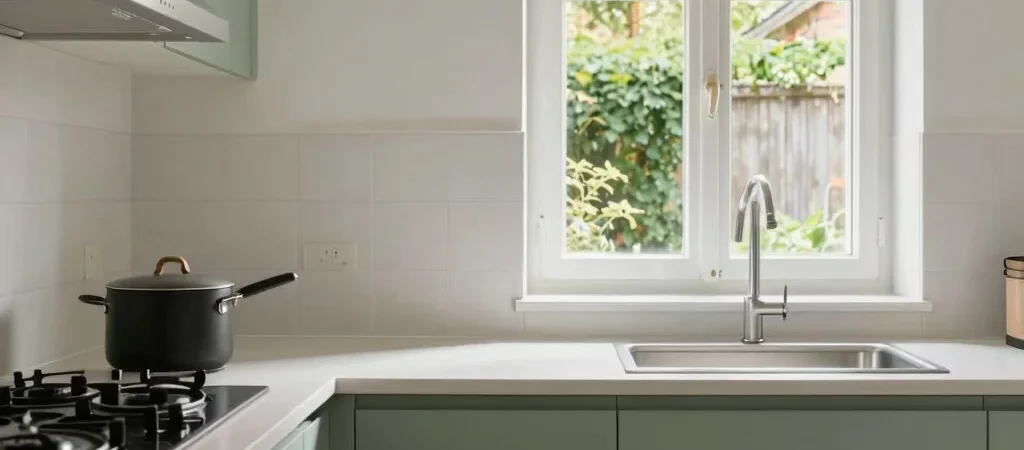
After cooking dinner, a room can feel different even when nothing visible has changed. Indoor air is shaped by activities and materials inside the home, as well as by air entering from outdoors. Rather than treating it as a mystery, start with the sources and routines you can actually identify.
Look for everyday sources
Cooking, cleaning products, candles and some household materials can contribute to what is present indoors. The mix depends on the activity, the product and the space, so a general label such as “indoor pollution” does not explain a specific home. Guidance from public bodies such as ANSES can help clarify what is known about particular substances and situations.
Make a simple inventory of activities that create fumes, particles or strong odours, and note when they happen. This is not a diagnosis or a measurement; it is a practical way to spot patterns worth understanding. Avoid assuming that an odour tells you exactly which substance is present or whether a particular level is harmful.
Understand ventilation in context
Ventilation brings outdoor air in and helps indoor air circulate, but the right approach depends on the building, the system and outdoor conditions. A window, an extractor and a mechanical ventilation system are not interchangeable, and a quick airing does not answer every indoor-air question. Check how your home’s ventilation is designed to work before changing or blocking it.
Choose a sensible first step
Begin with the basics: identify likely sources, use household products as directed and keep ventilation openings clear. For a specific concern, consult current guidance from reliable public sources such as ANSES or the relevant French public-health service, rather than relying on a broad claim or a product promise. Indoor air belongs in the wider air-quality conversation, but good information starts with the details of the room and the activity.