
Indoor air
Indoor air is a microclimate you can shape
Homes and offices concentrate volatile compounds from furnishings, heating, cooking and cleaning products. Understanding these enclosed sources is the first step toward a healthier interior.
Where indoor pollutants come from
Paints, adhesives, new furniture, candles, heating appliances and everyday cleaning products can all release compounds into a closed room. Because these emissions stay indoors, concentrations can rise even when outdoor air is relatively clean.
Humidity adds another layer: moisture from showers, cooking and drying laundry can encourage condensation and mould when a room is not aired regularly.
Key idea
Indoor air depends on what enters the room, what is produced inside it, and how well the space is renewed.
Daily routine
Ventilation as a daily habit
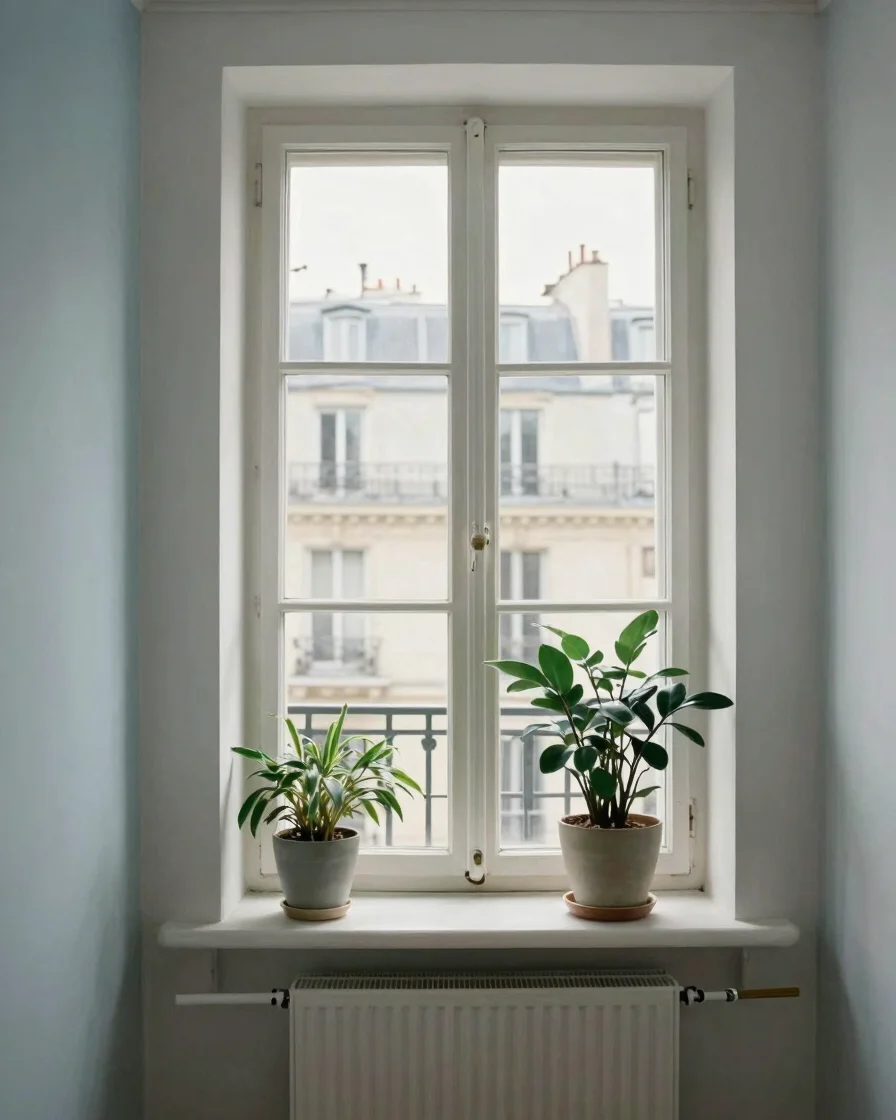
Consistent cross-ventilation remains the most effective domestic habit. Opening windows on opposite sides of a room for a short period, ideally at least twice a day, renews indoor air without relying on a single gesture.
Balance matters: insulation keeps heat in, but continuous fresh airflow prevents humidity and pollutant buildup. Read our blog guides for practical timings and moisture control.
Practical steps
Three domestic habits to adopt
1. Open windows twice daily
Air the room on opposite sides for a short period, morning and evening, to renew indoor air.
2. Check extraction vents
Make sure kitchen and bathroom extraction vents are clear and working, so moisture and cooking fumes leave the home.
3. Choose low-emission finishes
When renovating or buying furniture, look for low-emission paints, adhesives and materials, and air new items before use.
For sources and background, consult the reliable public information published by Airparif and public health bodies.