Pollutants and sources
Four pollutants, many urban sources
Fine particles, nitrogen dioxide and ozone come from different everyday activities. This guide explains where each pollutant originates and how it behaves in the air over Île-de-France, without reading real-time levels.
Four key pollutants
How each pollutant behaves
Each profile links to a dedicated article in our blog.
Particles
PM2.5 and PM10
Fine particles are tiny solid or liquid matter suspended in the air. They come from road traffic, wood heating and industrial processes, and can travel deep into the airways. Read the full article on particles.
Gases
Nitrogen dioxide
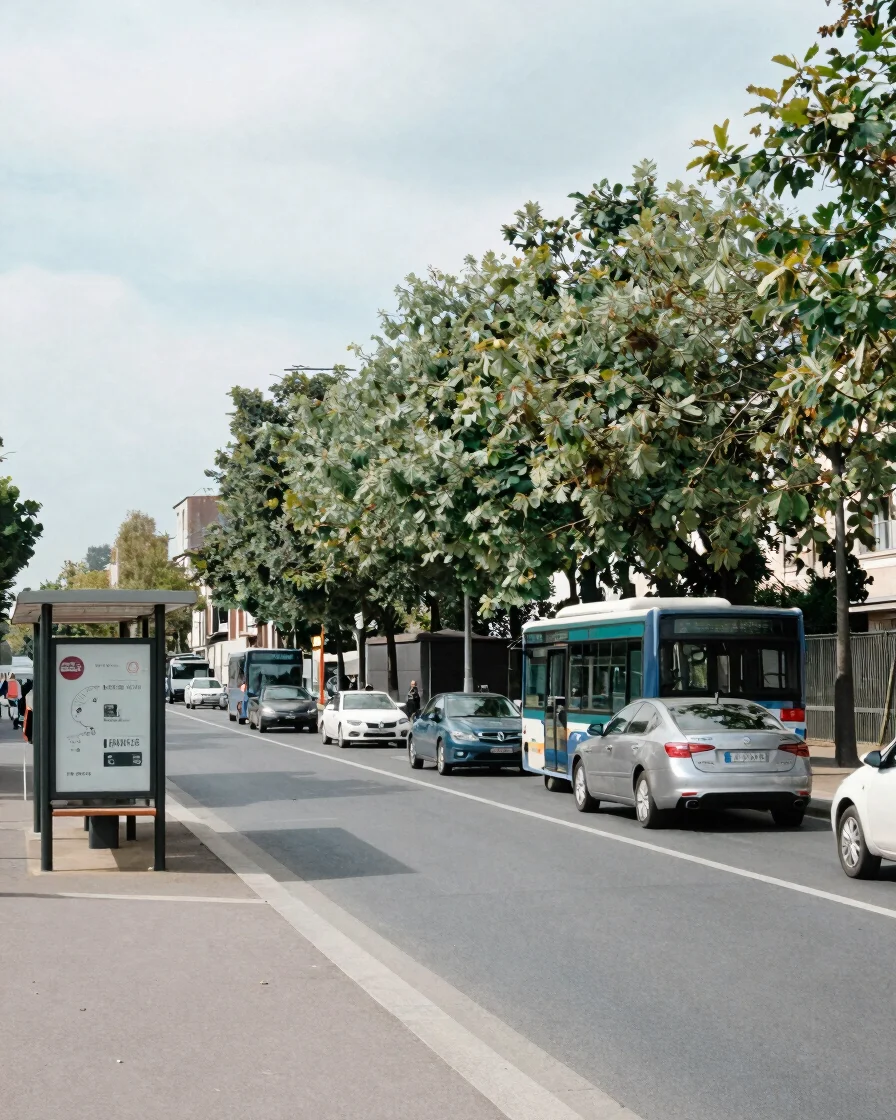
NO2 is mainly released by combustion engines and heating systems. It is closely linked to traffic corridors and dense urban streets. Read the full article on nitrogen oxides.
Secondary
Ozone
Ozone is not emitted directly. It forms when sunlight acts on precursor gases from traffic and industry, so it peaks in warm, sunny periods. Read the full article on ozone.
Main emission sectors
Transport, heating and industry
Road transport, residential wood heating and industrial sites each contribute to urban air pollution, with shares that vary by season and by neighbourhood. The relative weight of each source differs across the region, so local context matters.
Our articles trace these sources to the evidence available from public bodies and Airparif, and flag where the data is incomplete.